
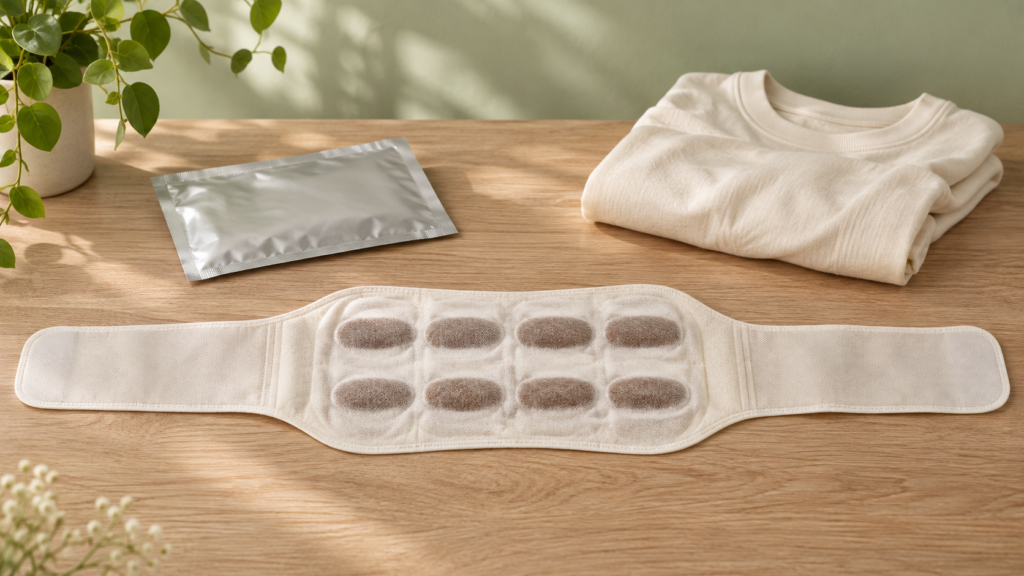
ThermaCare Lower Back and Hip HeatWraps Review: Who Should Choose Them?
Reviewed and updated: November 9, 2026
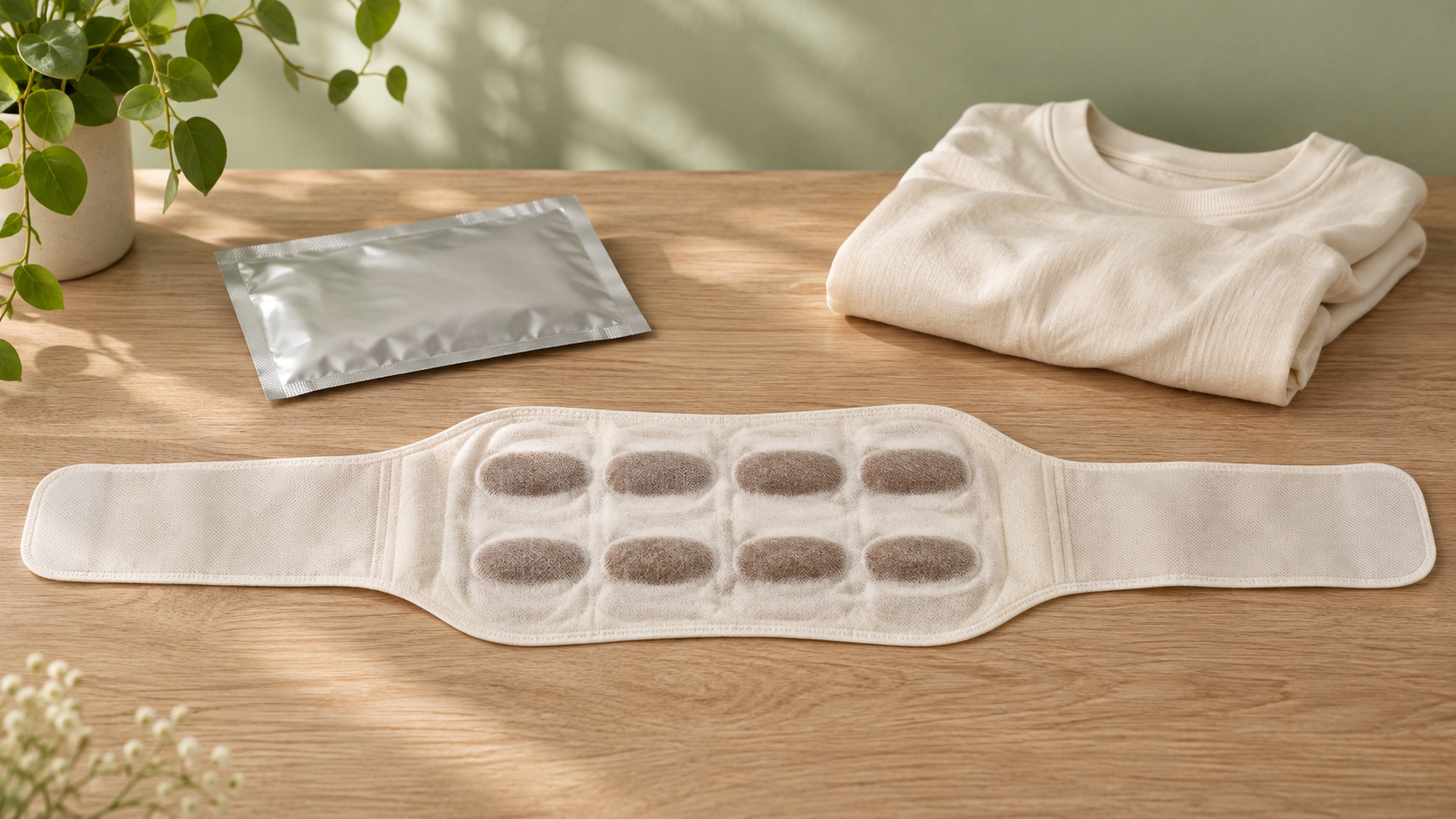
We’d choose ThermaCare Lower Back and Hip HeatWraps for occasional wearable warmth when you don’t want to rely on a wall outlet, charger or microwave. You can keep an unopened pouch ready and use a wrap when the occasion calls for it. The compromise is replacement: each wrap is single-use, so we’d choose a reusable pad instead if you mainly want something for regular breaks at home.
The decision comes down to where you want the warmth and whether the wrap fits you. You get a flexible fastening around your waist, with heat cells positioned for your lower back and hip. Before choosing a box, we’d check the waist range, consider your clothing and chair, and decide whether disposable wraps suit how often you expect to use them. Those details matter more than choosing the largest package.
Wearable warmth without charging
If avoiding charging is the appeal, this format is worth a look. Air activates the iron-based heat cells when you open the pouch, so you don’t need to prepare a battery or warm the wrap in a microwave. You do give up the ability to switch the heat off and restart it later. We’d buy it for an occasion where that one-use format is useful, rather than as a replacement for every kind of heating pad.
Match the body-area version as carefully as the size. ThermaCare makes other shapes for other locations, and similar packaging doesn’t give you the same fit. Lower Back and Hip, also sold as the corresponding Back Pain Therapy product, is the body-area version discussed here. Then compare the number of individual wraps in the package. You want the right shape and waist range before considering how many to buy.
Choose the fit before the package
For S/M, the stated fit is up to a 34-inch waist; L/XL covers 35–47 inches. Measure the waist where you’ll wear the wrap instead of relying on your usual clothing label. If you’re buying for someone else, confirm that measurement first. We’d rather settle the fit before choosing a multipack than discover that several wraps are unsuitable for the person you bought them for.
If your measurement is outside those ranges, we’d choose another format. Don’t buy a smaller size expecting a tight fastening to hold the heat closer, and never cut the wrap to change its fit. You need it to lie flat without folding, bunching or over-tightening. That gives you a useful purchase criterion: comfortable, appropriate positioning comes before how discreet it looks under a shirt.
Single-use or reusable: which suits you?
The sealed pouch is convenient when you want an occasional wrap ready without looking after a rechargeable device between uses. Leave it sealed until you’re ready. Once opened and activated, you can’t put it away as though it were an electric pad with an off switch. That makes it better suited to a planned use than to repeated short sessions with the same wrap.
For frequent use beside the sofa, we’d compare a reusable pad first. You’ll need to accommodate its power supply, positioning and cleaning, but you won’t be replacing the whole product after each use. For occasional use away from a convenient outlet, disposable wraps may be the simpler choice. Think about the number of occasions you expect, rather than assuming a larger box makes the format right for you.
Do you want adjustable heat?
ThermaCare advertises up to eight hours of heat, but don’t confuse its separate after-removal relief claim with sixteen hours of heating. You must not wear a wrap for more than eight hours in any twenty-four-hour period. You also don’t need to keep it on until that limit. Remove it if it feels too hot or irritates your skin, and follow the full current product labeling.
If you want to change temperature during use, we’d choose an adjustable pad or wrap instead. ThermaCare doesn’t give you a controller to turn down the heat. The appeal is a wearable format without cables; the tradeoff is less control over that warmth. Decide which matters more to you before buying, especially if selecting different heat settings is part of what you enjoy about your current pad.
Will it work with your clothing and chair?
Consider the chair and clothing you’ll use with it. Don’t add pressure by leaning against a hard surface or wearing tight clothing, a waistband or belt over the heat cells. If your usual seat presses firmly against your lower back, we’d use a different arrangement. You should be able to keep the wrap flat and check your skin comfortably, without working around pressure from the furniture.
Our heating pad versus heated wrap guide can help you compare those positions. Choose around the place you’ll actually use the product, rather than a wearable appearance alone. If your activity makes skin checks or prompt removal difficult, save heat use for an attentive break. A cordless format is useful only when you can still follow its precautions.
Check the precautions before gifting
This product can cause burns. If you’re 55 or older, wear it over a layer of clothing, never directly against your skin, and don’t wear it while sleeping. For any purchase, we’d plan on awake use so you can check your skin frequently and remove the wrap promptly. A long heating claim isn’t a reason to choose it for overnight use.
If you’re buying a gift, make sure the recipient can feel heat, follow the instructions, check their skin and remove the wrap independently. It must not be used on people unable to remove it or follow all instructions, including children and infants. We’d check those needs before choosing a convenient-looking box. The absence of a cord doesn’t remove the need to monitor the skin during use.
When to ask for individual advice
Ask a doctor before use if you have diabetes, poor circulation or heart disease, rheumatoid arthritis, or are pregnant. Don’t use it where you can’t feel heat, on unhealthy or damaged skin, on bruising or swelling from the previous 48 hours, with other heat sources, or with medicated topical products. Read the full warnings before deciding whether this wrap is appropriate for you.
Our heat-product safety guide gives you broader context, while the current ThermaCare labeling provides this wrap’s specific restrictions. Remove it before an MRI. Stop use and ask a doctor if pain worsens or persists beyond seven days, or if skin changes or discomfort persist. We’d seek individual advice in those circumstances rather than buy more wraps for continued use.
Keeping an occasional-use supply
For an occasional-use supply, keep the unopened pouches protected and follow their storage and expiry information. Keep them away from children and pets. Don’t wash, wet, microwave or try to reheat a used wrap; reheating can cause a fire. If you want something you can clean and use again, choose a reusable product designed for that purpose.
Don’t use a torn, damaged or leaking wrap. Follow the disposal instructions, and keep removed wraps safely away from children and pets. Each heat cell contains iron, so the contents need care too. If swallowed, rinse the mouth and contact Poison Control immediately; for contact with skin or eyes, remove the wrap, rinse with water and seek professional help. Keep the full instructions with your supply.
Our recommendation
We’d shortlist these wraps when you want occasional lower-back-and-hip warmth, fit the stated waist range and can follow the precautions throughout use. For adjustable heat or a reusable setup at home, we’d spend the money on a different format. Once you’re comfortable with that choice, base the quantity on your size and the number of individual wraps you need.
Choose a reusable or adjustable product for a different routine. Match the waist range and number of individual wraps to your needs.
01
Occasional wearable heat without charging
ThermaCare Lower Back and Hip HeatWraps
Our pick for occasional wearable heat without charging, if the waist range and precautions suit you.
Find in Amazon (paid link)