
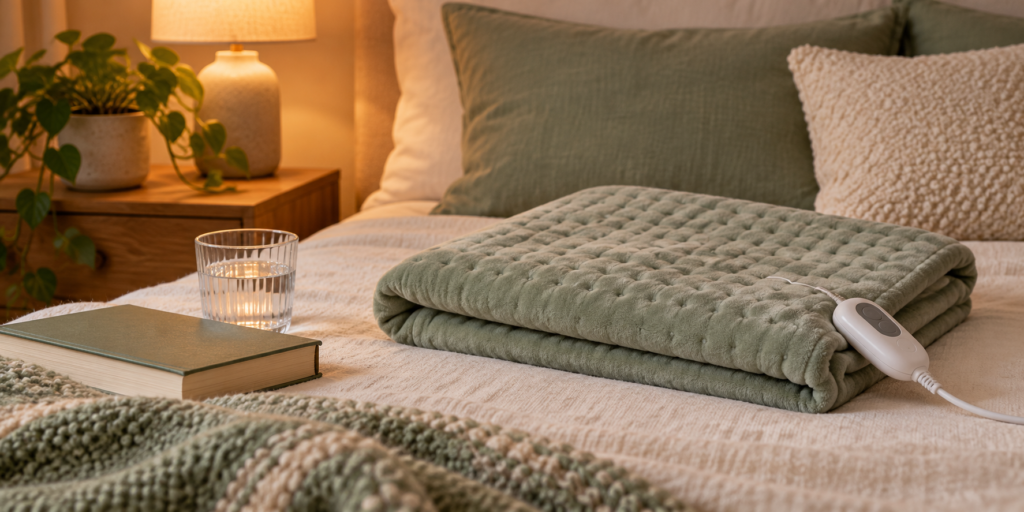
How to Position a Heating Pad Safely
Reviewed and updated: October 27, 2026
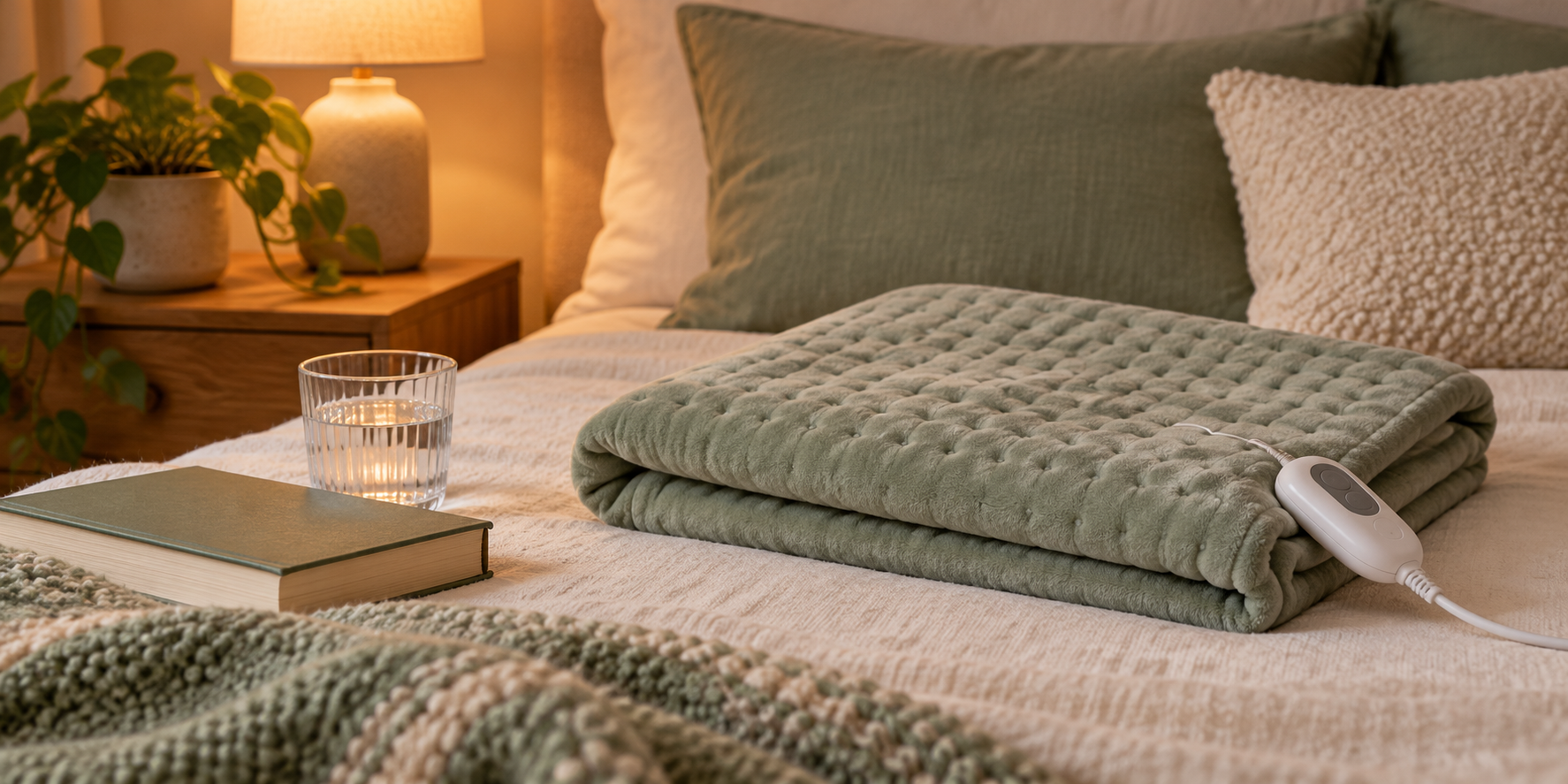
Safe placement keeps the pad flat, the controls reachable, and the user able to monitor heat. The correct position depends on the exact product directions and the person using it.
This guide was reviewed against current official product information where a model is discussed. Specifications and packages can change, so verify the exact label or manufacturer page before acting.
Confirm heat is appropriate first
Heat may be unsuitable with reduced sensation, circulation concerns, some injuries, pregnancy, skin conditions, medications, or medical devices. Follow individualized professional guidance when risk is uncertain. Never use a powered pad on a person who cannot notice or communicate excessive heat. Begin with the ordinary situation, not the most dramatic edge case. Write down the starting condition, use one controlled change, and inspect the result before repeating it. That small discipline makes advice easier to follow and prevents convenience from turning into a careless habit.
Read the position limits
Some pads are designed to drape, while ordinary flat pads may prohibit folding, wrapping, sitting, or lying on them. Find the model label and current instructions before use. Do not assume that a soft cover permits pressure or that a flexible pad can be sharply bent. A reliable routine separates visible evidence from assumptions. Check the model, material, setting, or condition that is actually present, then follow the instructions that apply to it. When the result differs from expectation, stop and review instead of adding more force, heat, liquid, or time.
Choose a stable supported surface
Arrange the chair, bed, or sofa before plugging in. Keep the pad on the intended body area without trapping it under body weight, cushions, braces, or heavy blankets. The user should be able to change position without pulling the cord or losing access to the controller. Keep the setup simple enough to repeat on a busy day. Prepare the workspace, protect nearby people and surfaces, and keep the relevant instructions available. Consistency is more valuable than a complicated routine that is remembered differently each time.
Keep the pad flat and visible
Smooth wrinkles and prevent edges from rolling. Concentrated folds can create hot areas and damage internal wiring. Do not pin the pad, secure it with tight straps, or place objects on top unless the exact manufacturer directions supply and approve that attachment method. Treat maintenance as part of the decision rather than an afterthought. Consumables, cleaning, storage, replacement parts, and the time needed for safe use can matter more than an impressive feature list. A product or method is useful only when the full routine fits the owner.
Place the controller within reach
The control should be readable and reachable without twisting or standing. Keep it outside blankets and away from the heated surface, drinks, pets, and pinch points. Route the cord loosely so wheels, recliners, adjustable beds, and doors cannot crush or stretch it. Use notes that another person could understand later. Record names, dates, settings, and any warning signs in plain language. This creates a dependable reference when conditions change and makes it easier to identify whether a result came from the tool, the material, or the technique.
Start low and stay awake
Use the lowest effective setting and a short monitored session consistent with the instructions and professional advice. Automatic shutoff is a backup, not permission to sleep. Check the skin periodically and stop with excessive redness, numbness, pain, dizziness, or unusual discomfort. Safety limits deserve the same attention as performance. Stop when there is damage, unusual heat, odor, sound, irritation, instability, or a result that cannot be explained. Manufacturer directions and qualified professional advice take priority over a shortcut found in a general guide.
Avoid creams and moisture unless approved
Topical products, wet dressings, and external moisture can change heat transfer or damage equipment. Never combine a heating pad with medicated rubs unless a clinician and both product directions support it. Use moist heat only with a device specifically designed for that method. Compare choices using the same real-world test. Hold the main variables steady, evaluate the outcome in normal conditions, and include cleanup and storage in the judgment. This avoids choosing a winner based on a one-minute impression that does not represent regular use.
Inspect before every session
Check plug blades, cord, strain relief, connector, controller housing, fabric, seams, and heating surface. Unplug equipment with scorching, stiffness, exposed wire, intermittent power, unusual odor, controller heat, or a new hot spot. Repairs should follow the manufacturer or qualified service route. Plan for the person who will actually do the work. Reach, vision, dexterity, attention, experience, and supervision can change what counts as simple. The best process is the one that can be completed correctly without improvising around controls, labels, or missing accessories.
End and store deliberately
Switch off, unplug by the plug, let the pad cool flat, and store it without tight folds. Keep the controller and cord loosely arranged where they will not be crushed. Record the model and manual location so another user does not substitute a different pad’s instructions. Finish with a quick review before putting everything away. Confirm that equipment is clean, dry, switched off, capped, or backed up as appropriate, and note anything that needs replacement. That final minute protects the next session from inheriting an unseen problem.
Quick checklist
- Confirm heat is appropriate.
- Keep the pad flat and uncovered.
- Never lie or sit on an ordinary pad.
- Keep controls within easy reach.
- Stay awake and monitor the skin.
- Retire damaged or unevenly heating equipment.
Common questions
Can I put a heating pad behind my back in a chair?
Only if the model instructions permit that position and the pad is not trapped under pressure or sharply folded.
Can a pillow hold it in place?
Do not cover or compress the pad unless the exact directions allow the arrangement.
Is automatic shutoff safe for sleeping?
No. Remain awake and attentive; shutoff is only a backup feature.