
Can a Heating Pad Help Kidney Stone Pain?
Reviewed and updated: October 3, 2026
The direct answer
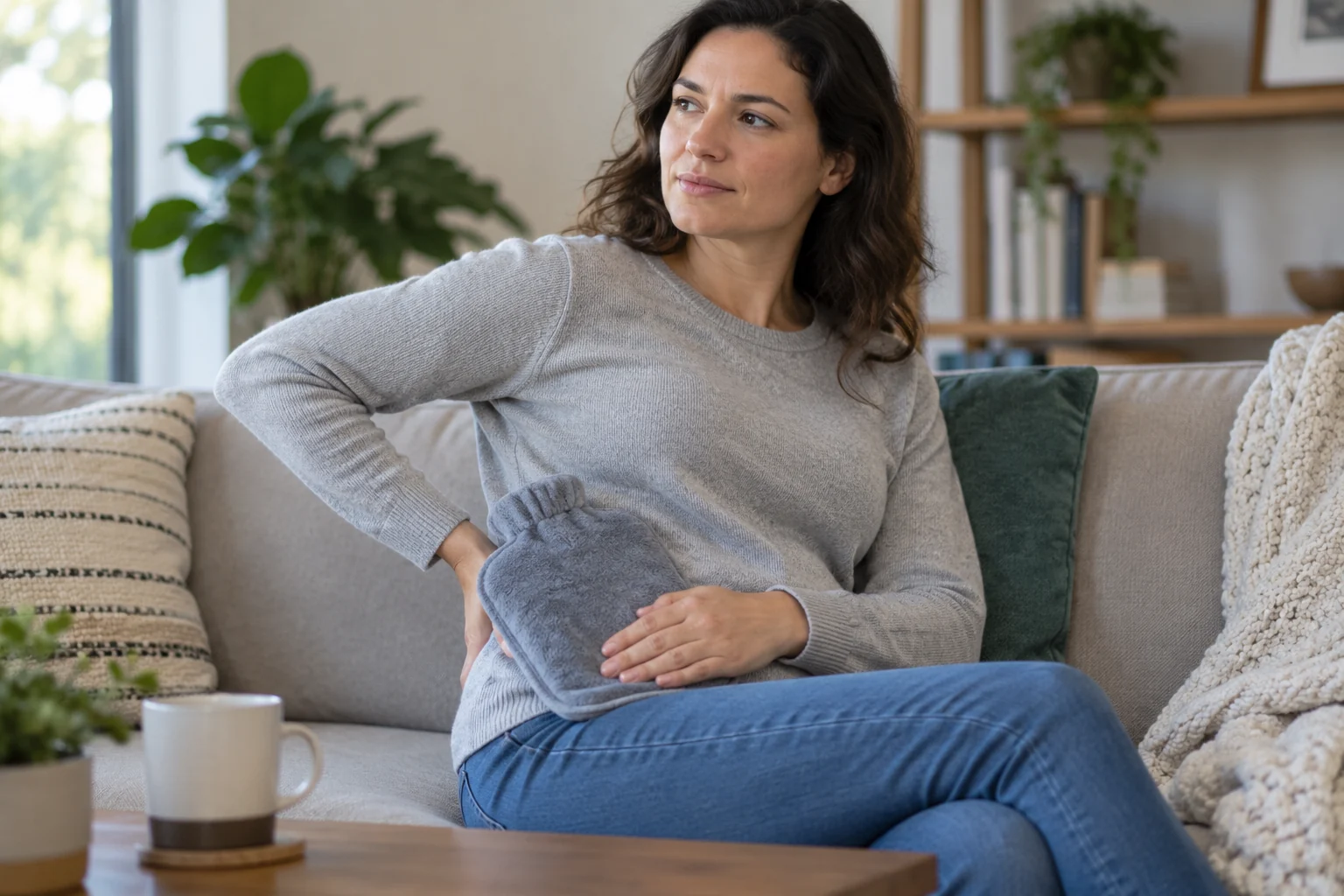
Kidney stones can cause intense pain as they move through the urinary tract. Diagnosis matters because treatment depends on size, location, infection, blockage, kidney function, and symptoms. A low wrapped pad may change surface sensation and muscle guarding, but evidence for heat as a stone treatment is limited.
Heat changes surface sensation and may reduce guarding, but a comfortable response does not identify the injured tissue or prove that the underlying condition is resolving. Use the response as one observation within an appropriate care plan.
When it may be reasonable
Use heat only as an optional comfort measure after following the care plan. Stay awake, keep the pad flat over clothing or a cover, choose the lowest useful setting, limit the session according to the instructions, and continue prescribed fluids and medicine.
Before applying heat, confirm that temperature sensation is normal and that the skin is intact. Keep the device where it can be removed immediately. A pleasant feeling is not a reason to increase the temperature or extend the session beyond its directions.
Limits and warning signs
Do not let heat delay urgent assessment. Fever or chills, vomiting with dehydration, blood in urine with worsening symptoms, inability to pass urine, pregnancy, one functioning kidney, or pain that cannot be controlled requires prompt medical advice.
Children, older adults with fragile skin, and anyone who is ill, sedated, or unable to communicate discomfort need extra caution. Do not assume that a setting that is comfortable for another person is safe for you.
A safer-use checklist
- Read the instructions. Confirm the intended body area, permitted moisture, settings, cleaning method, and automatic shutoff.
- Inspect the equipment. Do not use a pad with a frayed cord, loose connector, scorching, wet components, unusual odor, or uneven heat.
- Protect and monitor skin. Keep the pad flat, use the recommended cover or clothing layer, remain awake, and check the area often.
- Use the lowest useful setting. Heat should feel comfortably warm. Pain, numbness, prickling, or persistent redness means stop.
- Finish safely. Switch off, unplug, let the pad cool, and store it without tight folds or cord bends.
How to evaluate a short trial
Choose a simple functional goal before starting, such as easier position changes, a short walk, or gentler range of motion. Note the skin condition and symptoms first. After removing the heat, let the area return toward normal temperature and check whether function improved, how long any relief lasted, and whether swelling, numbness, or pain worsened.
Heat should support a broader plan rather than replace it. Needing progressively higher settings, longer sessions, or more frequent use is a reason to reassess the underlying problem. Temporary comfort does not prove that a condition is minor or healed.
Burn prevention and first aid
Never sleep on a standard heating pad, place body weight on it, fold it, trap it under tight clothing or blankets, or combine it with topical pain rubs unless the instructions allow that combination. Reduced sensation, poor circulation, fragile skin, sedating medicine, alcohol, and difficulty communicating discomfort increase risk.
If a burn occurs, remove the heat source and cool the area with cool running water. Do not use ice, butter, or oily remedies. Seek prompt care for significant blistering, severe pain, electrical shock, or burns involving the face, hands, feet, genitals, or a major joint.
Frequently asked questions
Can heat break up a kidney stone?
No. External heat does not fragment or dissolve a urinary stone. Personal medical advice and the product instructions take priority.
Where should the pad go?
If a clinician agrees, place it over clothing on the painful side or back without lying on it. Personal medical advice and the product instructions take priority.
Should I drink extra water?
Follow medical advice; fluid plans differ during active obstruction and for people with restrictions. Personal medical advice and the product instructions take priority.
When is stone pain an emergency?
Fever, inability to urinate, uncontrolled pain, repeated vomiting, or feeling very ill needs urgent care. Personal medical advice and the product instructions take priority.
Final review before you finish
Step away for a few minutes and reassess the result in ordinary conditions. Check comfort first, then function or overall shape, and only then minor details. A repeatable approach is more useful than an aggressive one that creates a new problem.
Keep the routine simple enough to follow consistently. Record what you used, how long the session took, and any delayed change. When the outcome is unclear, return to the gentler baseline and seek qualified guidance instead of adding intensity or more products.
Plan the session before switching on
Place the controller, timer, and plug where they remain visible and easy to reach. Sit in a stable position that does not put body weight on the pad. Remove tight clothing or objects that could press the heat source into one spot, and keep blankets from trapping extra warmth.
Set a stopping time before the session begins. A timer is useful, but it does not replace attention. Check the skin and sensation periodically, especially during the first use of a device. When the session ends, switch the unit off before standing, then unplug it by holding the plug rather than pulling the cord.
Allow the area and device to cool before deciding whether another session is appropriate. Repeated heat without a clear goal can hide a worsening pattern and increases total exposure. Record unusual redness, numbness, swelling, or device behavior and stop using equipment that does not heat evenly.
Put temporary relief in context
Comfort has value when it helps with rest, safe movement, or a clinician-approved exercise. It is less useful when it encourages someone to continue an aggravating activity or postpone assessment. Compare how the body functions after heat with its function before the session, and notice whether symptoms return immediately.
Persistent pain deserves a plan based on its cause. That plan may include activity changes, physical therapy, medicine, sleep adjustments, or further evaluation. A heating pad can be one small tool, but it should not become the only response to a problem that is changing or limiting normal life.
Sources and review notes
This article provides general education and is not a diagnosis or personal medical advice.
