
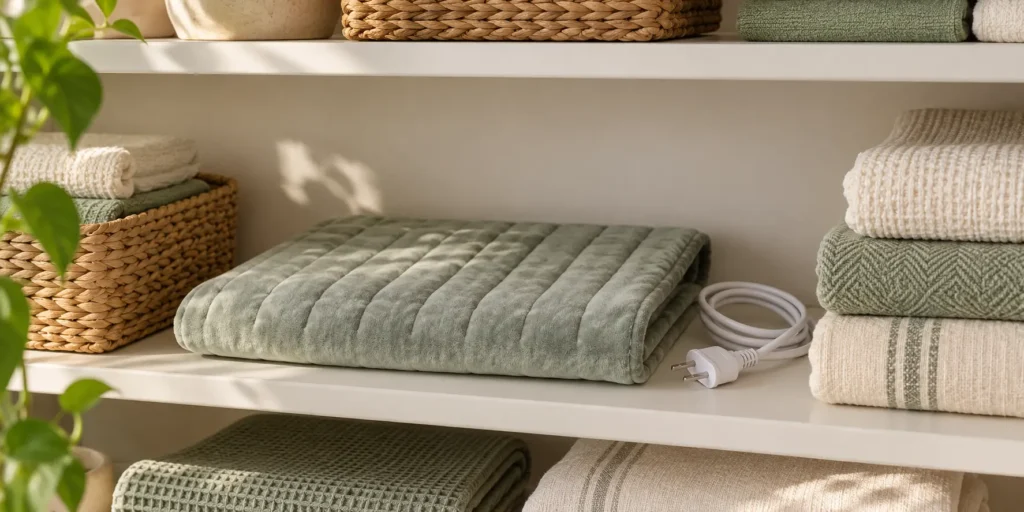
How to Store an Electric Heating Pad Safely
Reviewed and updated: October 23, 2026
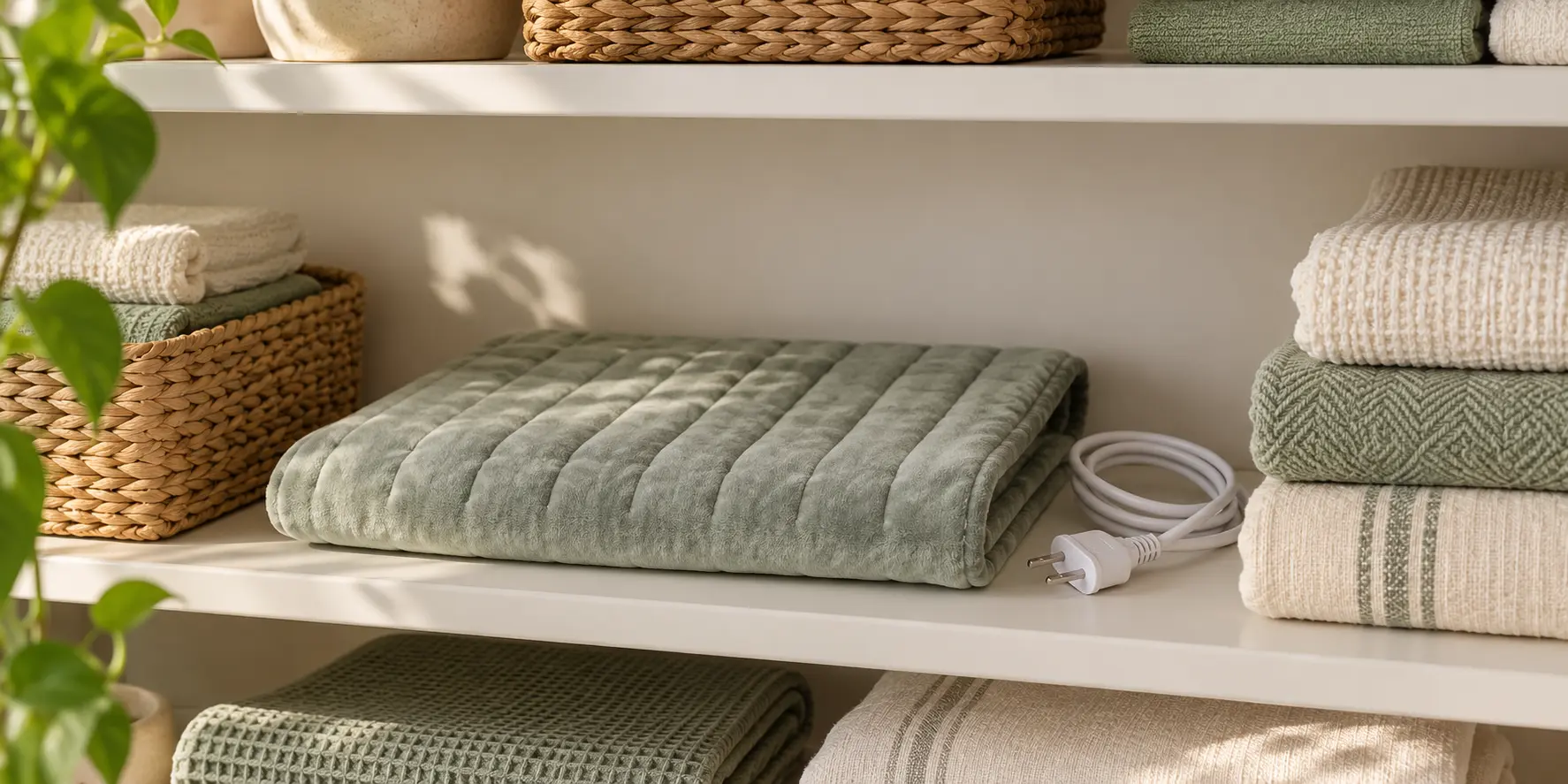
Storage affects cords, internal wiring, fabric, and controls. Let the pad cool, inspect it, and put it away without sharp folds or tightly wrapped cords.
This guide was reviewed against current official product information where a model is discussed. Specifications and packages can change, so verify the exact label or manufacturer page before acting.
Unplug and cool the pad completely
Turn the pad off, unplug it by the plug rather than pulling the cord, and place it flat where air can circulate. Do not put a warm pad into a drawer, basket, or plastic bag. Cooling first protects nearby fabrics and gives you a chance to notice heat damage, odor, moisture, or an unusually warm controller. Make the decision from the real routine rather than a feature list. Check the current instructions, practice the step in a controlled setting, and change one variable at a time. That approach makes results easier to judge and helps prevent an attractive shortcut from becoming a repeated mistake.
Follow the model-specific storage shape
Many manufacturers warn against sharp folding because repeated creases can stress internal heating elements. Some pads may be rolled loosely, while others should remain flat. Use the storage method in the exact manual and avoid placing heavy objects on top. Never force a pad into a shelf that is too short. A useful comparison separates what can be verified from what is merely advertised. Record the model, material, setting, or method you actually used, then review the result before repeating it. Small notes are more dependable than memory when conditions change from one session to the next.
Keep the cord loose
Arrange the power cord in broad, relaxed loops beside the pad. Do not wrap it tightly around the controller or pad, pinch it under a drawer, or bend it sharply near the strain relief. A neat-looking tight coil can create repeated stress exactly where hidden conductors enter the plug or control. Keep the process simple enough to repeat. Prepare the workspace first, follow the relevant maker or safety directions, and stop when something looks, smells, sounds, or feels wrong. A careful routine usually produces a better result than adding more steps without a clear purpose.
Store the controller without pressure
Place the controller where buttons cannot be held down and its cable is not trapped beneath the pad. Keep it away from metal edges, liquids, pets, and objects that could crack the housing. If the controller disconnects, cap or protect the connector only as the manual directs and keep both parts together. Make the decision from the real routine rather than a feature list. Check the current instructions, practice the step in a controlled setting, and change one variable at a time. That approach makes results easier to judge and helps prevent an attractive shortcut from becoming a repeated mistake.
Make sure every layer is dry
A removable cover should be cleaned and dried according to its label before storage. The electrical pad itself should never be put away damp. Do not use a dryer, iron, or heater to speed drying unless the manufacturer explicitly permits it. Moisture in a closed container can encourage odor and damage. A useful comparison separates what can be verified from what is merely advertised. Record the model, material, setting, or method you actually used, then review the result before repeating it. Small notes are more dependable than memory when conditions change from one session to the next.
Choose a suitable location
Use a cool, dry shelf away from direct sun, heaters, plumbing leaks, and high humidity. Keep the pad out of reach of children and pets, especially animals that chew cords. Avoid an attic, vehicle, or garage where temperature swings and pests can damage fabric and insulation. Keep the process simple enough to repeat. Prepare the workspace first, follow the relevant maker or safety directions, and stop when something looks, smells, sounds, or feels wrong. A careful routine usually produces a better result than adding more steps without a clear purpose.
Inspect during seasonal storage
If the pad is stored for months, check it before the next season. Look for discoloration, stiff or lumpy areas, exposed wire, cracked plugs, loose connectors, and controller damage. Do not power a questionable pad just to see whether it still heats. Follow the maker’s replacement guidance. Make the decision from the real routine rather than a feature list. Check the current instructions, practice the step in a controlled setting, and change one variable at a time. That approach makes results easier to judge and helps prevent an attractive shortcut from becoming a repeated mistake.
Keep the manual and model record
Save the manual or a reliable digital copy with the model and date acquired. Photograph the rating label before it fades. This information helps locate recalls, replacement covers, or disposal instructions. Do not assume a controller or cord from another pad is compatible even when the connector fits. A useful comparison separates what can be verified from what is merely advertised. Record the model, material, setting, or method you actually used, then review the result before repeating it. Small notes are more dependable than memory when conditions change from one session to the next.
Retire unsafe equipment
A heating pad with a frayed cord, bent plug, hot spot, scorch mark, unusual odor, or unreliable control should be taken out of service. Mark it so another person does not use it accidentally and follow local electronic-waste guidance. Storage cannot repair internal damage. Keep the process simple enough to repeat. Prepare the workspace first, follow the relevant maker or safety directions, and stop when something looks, smells, sounds, or feels wrong. A careful routine usually produces a better result than adding more steps without a clear purpose.
Quick checklist
- Cool completely before storage.
- Avoid sharp folds and heavy pressure.
- Loop the cord loosely.
- Keep the controller dry and protected.
- Save the model and manual.
- Retire pads with heat or cord damage.
Common questions
Can I fold a heating pad for storage?
Only in the way its manufacturer permits. Sharp folds can stress internal elements.
Can the cord be wrapped around the pad?
A loose arrangement beside the pad is safer than tight wrapping that bends the cord repeatedly.
Where should I store it during summer?
Choose a cool, dry indoor shelf away from sun, plumbing, pests, children, and heavy objects.